Deceased NFL Player Marshawn Kneeland Posthumously Diagnosed with CTE

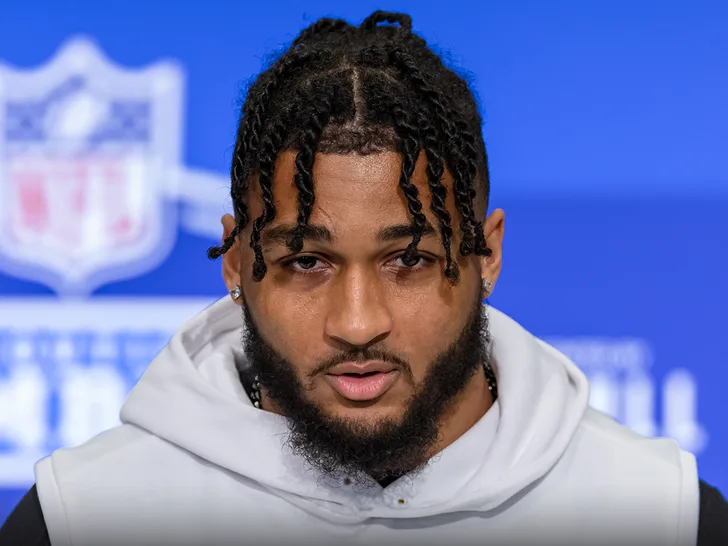
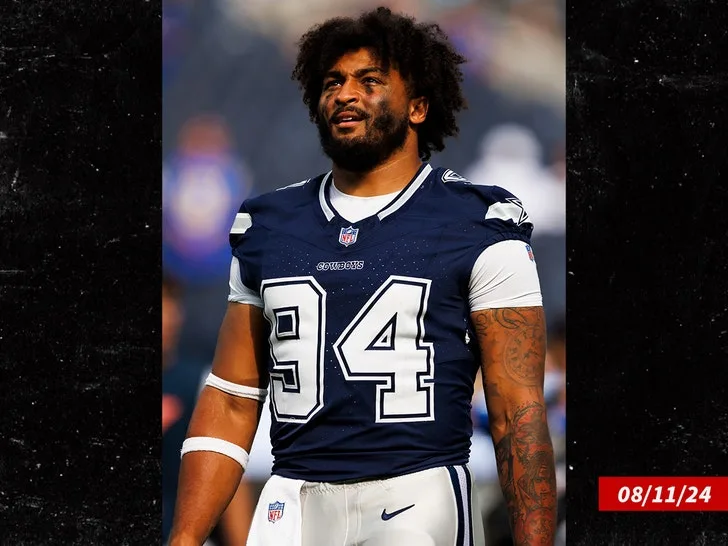
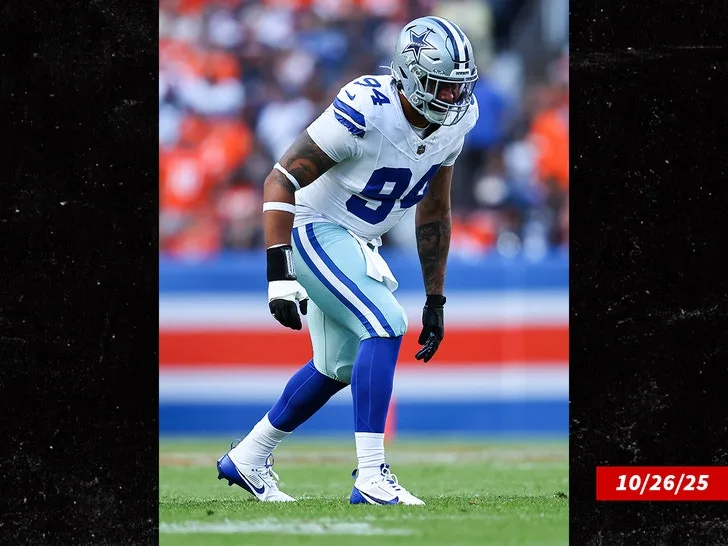
Marshawn Kneeland, a former Dallas Cowboys pass rusher who died by suicide in November 2025, has been posthumously diagnosed with Stage 1 chronic traumatic encephalopathy (CTE). Doctors at Boston University's CTE Center confirmed the findings after examining his brain.
The 24-year-old athlete died from a self-inflicted gunshot wound. After his tragic death, his brain was sent for analysis. On Tuesday, doctors announced that Kneeland had Stage 1 CTE, the earliest stage of the disease, characterized by short-term memory loss, mild aggression, depression, and headaches.
Dr. Ann McKee, director of the BU CTE Center, said: "Unfortunately, I was not surprised to find CTE in the brain of Mr. Kneeland, because we have found this progressive brain disease in nearly half of the athletes we’ve studied who have died before the age of 30." She noted that Kneeland had played tackle football since age seven, though he only appeared in 18 NFL games over two seasons.
Kneeland's girlfriend, Catalina Mancera, stated: "While this diagnosis does not change the tragedy of his passing, it provides important context about some of the struggles he may have been facing." Her words highlight how mental health issues in athletes may be linked to years of head impacts.
Chris Nowinski, CEO of the Concussion & CTE Foundation, added: "Mr. Kneeland played in the modern era of concussion protocols and better helmets, and yet he still developed CTE. We have no reason to believe the current generation is at a lower risk of CTE than previous generations. Concussion protocols do not prevent CTE, because CTE is caused by repeated head impacts, not just concussions."
Following his death, Kneeland was mourned by family, friends, fans, teammates, and coaches across the league. Cowboys head coach Brian Schottenheimer, fighting back tears, described Marshawn as a "beloved teammate." The CTE diagnosis once again forces the football world to ask hard questions about player safety.
If you or someone you know is struggling or in crisis, help is available. Call or text 988 or chat 988lifeline.org.
Related photos