Trump Subpoenas NYT Journalists Over Air Force One Story
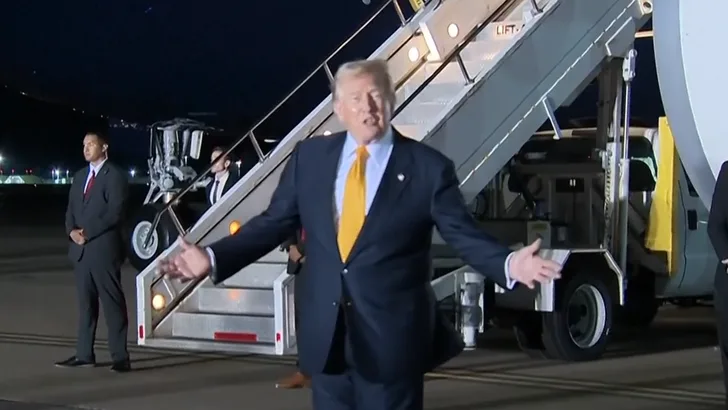
The Trump administration has taken a bold step in its battle against the so-called "fake news" media by issuing subpoenas to New York Times reporters who wrote about the president's plane swap in Turkey. The move has sparked widespread debate and raised concerns about press freedom.
The newspaper revealed on Saturday that subpoenas were issued to four journalists: Julian E. Barnes, Eric Lipton, Tyler Pager, and Eric Schmitt. They co-authored an article titled "Security Precaution Led Trump to Use Old Air Force One in Leaving Turkey," published on Wednesday. The story focused on President Trump choosing to use the older Air Force One instead of the new one gifted by Qatar, due to security concerns.
Anonymous sources told the Times that the plane was switched because the Secret Service had worries about flying the new aircraft back from Turkey. Trump denied that security issues caused the change. The subpoenas demand the journalists testify "in regard to an alleged violation of federal criminal law," though details are vague.
Notably, a senior FBI official contacted the paper before publication, asking to delay the story, citing national security. However, the official did not specify the nature of the threat, and the article ran as planned. The FBI also requested the names of sources, but the Times refused to comply.
The journalists are expected to appear before a federal grand jury in Manhattan on Wednesday, and it's likely they will refuse to reveal their sources, defending press freedom. This incident highlights the ongoing tension between the Trump administration and major media outlets, raising fundamental questions about government pressure on journalism.
For Donald Trump, this is not the first clash with the press; he has frequently criticized outlets for "fake news" and threatened to tighten libel laws. However, subpoenaing reporters is an unprecedented move that could have long-term implications for free speech in the U.S. Legal experts and advocates have expressed alarm, calling it an attack on investigative journalism.
As the case unfolds, it symbolizes the struggle for media independence in the Trump era. Readers and experts are closely watching, anticipating that the court will determine how far the government can go in controlling information.
Related photos